
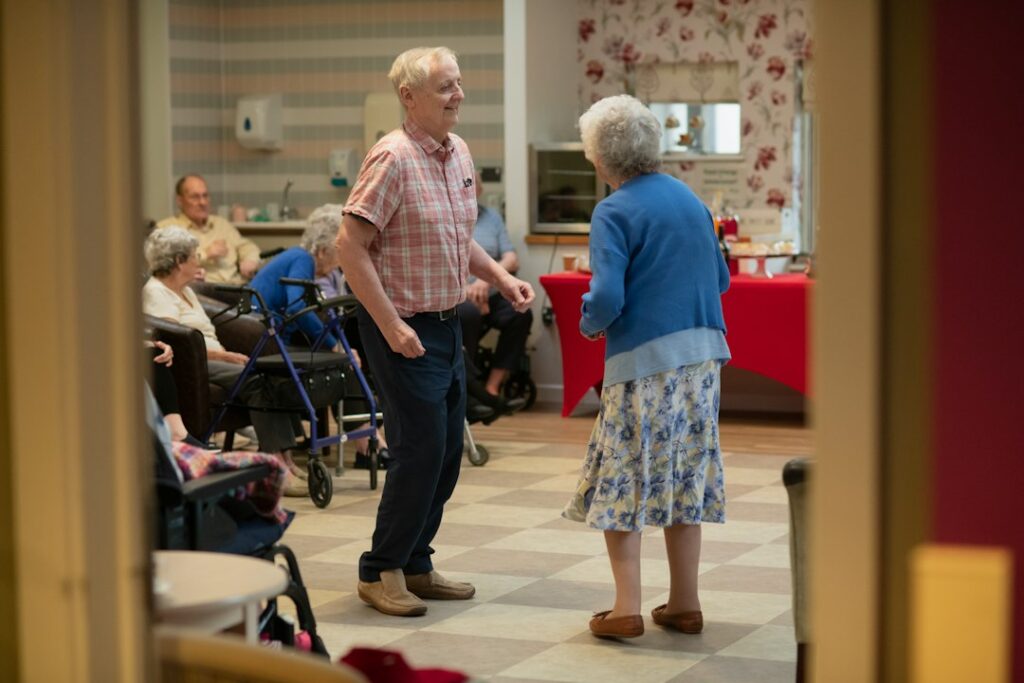
Healthy aging in assisted living is not about following a perfect routine. It is about maintaining strength, confidence, connection, and independence through manageable daily habits. For residents in California, PA, a healthy routine may include indoor movement during icy weather, regular meals, restful sleep, social activities, and timely attention to changes in health.
Assisted living can make these habits easier by providing structure and opportunities for support. Residents and families can also play an active role in shaping routines that reflect personal preferences, abilities, and goals.
What does healthy aging look like in assisted living?
Healthy aging means supporting the abilities a person has while adapting safely to changes over time. It includes physical health, emotional well-being, mental stimulation, social connection, and participation in meaningful activities.
Healthy aging does not require strenuous exercise or major lifestyle changes. A resident may benefit from walking a hallway, attending a group activity, choosing nutritious foods, keeping a regular sleep schedule, or speaking up about pain or fatigue.
The most useful routines are realistic enough to continue. Small, consistent actions often provide more benefit than an ambitious plan that becomes uncomfortable or difficult to maintain.
How much physical activity should older adults get?
Older adults benefit from a combination of movement that supports endurance, muscle strength, flexibility, and balance. The right amount depends on medical conditions, mobility, and current fitness level.
Examples of suitable movement may include:
- Walking indoors or outdoors when surfaces are safe
- Seated leg lifts, arm movements, or gentle stretching
- Light resistance exercises using approved equipment
- Standing from a chair several times, if safe
- Balance activities performed near a stable support
- Dancing, gardening tasks, or recreational games
Residents should begin gradually, especially after an illness or period of inactivity. Exercise should not cause chest pain, severe shortness of breath, faintness, or sudden weakness. Those symptoms require prompt medical attention.
In an assisted living setting, it is reasonable to ask whether an activity can be modified. A resident who cannot participate in a full exercise class may still be able to complete selected movements from a seated position.
How can residents reduce fall risks?
Falls are not an unavoidable part of aging. Improving strength and balance, using mobility aids correctly, and keeping living areas clear can reduce risk.
Residents can help by wearing secure, supportive footwear rather than loose slippers, keeping frequently used items within easy reach, and using prescribed glasses and hearing devices. Walkers and canes should be adjusted properly and used consistently when recommended.
Changes in balance deserve attention. A resident who is newly unsteady, feeling dizzy, rushing to the bathroom, or holding onto furniture may need a review of medications, vision, hydration, footwear, or mobility needs.
Seasonal conditions also matter in California. Snow, ice, wet entryways, and darker winter afternoons can make outdoor walking more hazardous. Indoor walking routes and well-lit activity areas may be safer during poor weather.
What foods support healthy aging?
Older adults need nourishing meals even when appetite is smaller. Foods containing protein, fiber, vitamins, and minerals can help support muscle, digestion, immune function, and energy.
Helpful choices may include eggs, yogurt, beans, fish, poultry, lean meats, vegetables, fruits, whole grains, and healthy fats. If chewing, swallowing, diabetes, kidney disease, or food allergies affect eating, meals may need to be adjusted.
Hydration is also important. Some residents drink less because they do not want to make frequent trips to the bathroom. Others may not notice thirst as strongly as they once did. Unless fluid restrictions apply, regular drinks throughout the day can help support health.
Unplanned weight loss, ongoing poor appetite, difficulty swallowing, or repeated dehydration should be reported. These changes may signal a medical or nutritional concern rather than simply “normal aging.”
How can residents sleep better?

Most older adults still need about seven to nine hours of sleep, although sleep patterns may change with age. A regular schedule can help the body recognize when it is time to rest.
Useful habits include going to bed and waking at similar times, limiting long late-afternoon naps, keeping the bedroom comfortable, and avoiding heavy meals or caffeine close to bedtime. Daytime activity and exposure to natural light may also support nighttime sleep.
Poor sleep should not be dismissed as inevitable. Loud surroundings, pain, anxiety, nighttime urination, restless legs, breathing problems, or medication effects can interfere with rest. Persistent insomnia or unusual daytime sleepiness should be discussed with a healthcare professional.
Why are social activities part of healthy aging?
Social connection supports emotional health and can add structure and purpose to the day. Activities do not need to be large or highly organized. A conversation over a meal, a card game, a faith-based discussion, music, crafts, or a phone call with family may be meaningful.
Residents who are shy, grieving, hard of hearing, or adjusting to assisted living may need extra time before joining group activities. Smaller gatherings or one-to-one visits can feel more comfortable.
Family members can support connection by asking specific questions about a resident’s interests instead of simply asking whether the person is “doing okay.” Sharing photographs, discussing local seasons, or working on a familiar hobby can make visits more engaging.
How should residents protect their mental and emotional health?
Changes in mood deserve the same attention as changes in physical health. Sadness, anxiety, irritability, loss of interest, confusion, or withdrawal may be related to depression, medication effects, grief, poor sleep, pain, infection, or another treatable condition.
Residents can support emotional well-being by maintaining familiar routines, spending time outdoors when conditions permit, participating in enjoyable activities, and discussing worries openly. Creative activities, reading, prayer, music, and time with animals may also provide comfort and stimulation.
Memory lapses can happen with age, but sudden confusion is not something to ignore. A rapid change in alertness, behavior, speech, or ability to move should be reported promptly.
Which health appointments and preventive steps matter?
Routine healthcare helps identify problems before they interfere with independence. Residents should keep track of recommended visits related to vision, hearing, dental care, vaccinations, medication reviews, and chronic conditions.
A current medication list is especially useful. It should include prescription medicines, over-the-counter products, vitamins, and supplements. Residents should not stop or change medication without medical guidance, even if a medicine seems unnecessary or causes concern.
Preventive care should reflect the person’s age, medical history, preferences, and goals. Questions about screenings, vaccines, pain, sleep, mood, or mobility are appropriate at regular health visits.
How can residents stay involved in their own care?
Participation may involve choosing clothing, selecting activities, deciding when to walk, helping plan meals, or identifying personal goals. One resident may want to improve endurance, while another may care most about attending social events or remaining steady during transfers.
Residents should report new pain, shortness of breath, dizziness, swelling, falls, appetite changes, sleep problems, and medication side effects. Speaking up early can help prevent a minor concern from becoming a larger interruption to daily life.
A healthy aging plan should be practical, respectful, and personalized. The goal is not to eliminate every challenge. It is to support safe choices, preserve function, and help each resident continue participating in the routines and relationships that give daily life meaning.
