
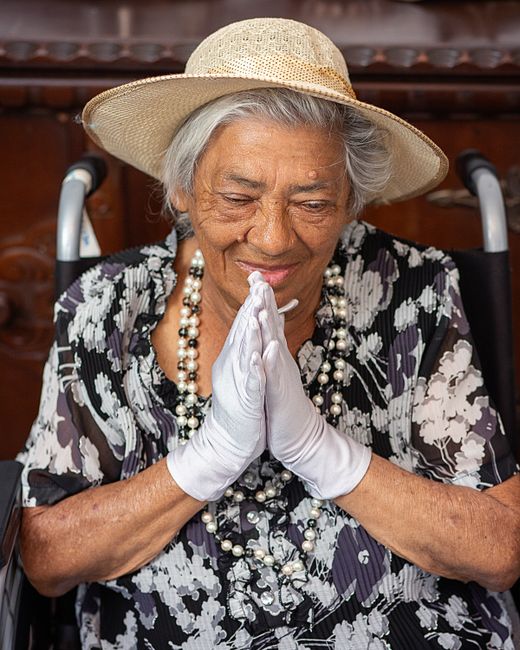
What do cultural and religious accommodations mean in assisted living?
Cultural and religious accommodations are practical adjustments that help a resident continue important beliefs, traditions, routines, and personal practices while receiving supportive care. In Pennsylvania, assisted living residents have the right to practice the religion or faith of their choice—or not to practice any religion—and may not be discriminated against because of religious creed, ancestry, national origin, race, or other protected characteristics.
These accommodations are not limited to formal worship. They may involve meals, clothing, language, privacy, personal care, family involvement, holidays, medical decisions, room arrangements, and daily schedules.
For a resident moving from a long-time home into assisted living, preserving familiar customs can support comfort, identity, dignity, and emotional stability.
What types of accommodations might a resident request?
The appropriate support depends on the person’s beliefs and preferences. A resident or family member should describe specific needs rather than assuming staff will recognize them automatically.
Common examples include:
- Access to religious services, clergy, spiritual counselors, prayer groups, or sacred texts
- Private space for prayer, meditation, reflection, or religious observance
- Assistance observing fasting periods or special holy days
- Meals prepared according to religious, cultural, vegetarian, or allergy-related requirements
- Avoidance of particular foods, ingredients, preparation methods, or utensils
- Permission to wear religious clothing, head coverings, jewelry, or other meaningful items
- Support for modesty preferences during bathing, dressing, examinations, or personal care
- Recognition of cultural holidays, mourning practices, family traditions, or important anniversaries
- Help communicating in a preferred language or involving a trusted interpreter
- Respect for family roles in decision-making, visits, caregiving, and spiritual support
- Scheduling flexibility for worship, religious education, ceremonies, or community gatherings
A request does not have to fit a particular religious category to deserve respectful discussion. Cultural identity may shape food, communication, personal space, family relationships, music, celebrations, and end-of-life preferences.
How should accommodations be included in a care plan?
The most reliable approach is to discuss cultural and religious preferences during the assessment process and place important details in the resident’s support plan. A support plan should explain what assistance is needed, who should provide it, how often it occurs, and what should happen if a routine changes.
Useful details may include:
- Preferred name and pronunciation
- Primary language and communication needs
- Dietary restrictions and acceptable substitutions
- Clothing, grooming, and modesty preferences
- Prayer or worship schedule
- Religious items that should remain accessible
- People authorized to participate in spiritual or care decisions
- Restrictions involving touch, gender of caregivers, or personal care
- Procedures for religious holidays, fasting, illness, or emergency care
- Preferences for serious illness, death, burial, cremation, or funeral practices
Specific wording can prevent confusion. For example, “prefers quiet prayer before breakfast” gives staff clearer guidance than “is religious.” A family may also provide written instructions, a translation, a calendar of observances, or contact information for a spiritual leader.
Preferences should be revisited if the resident’s health, memory, mobility, diet, or ability to communicate changes.
Can assisted living staff refuse a religious or cultural request?
A residence should consider reasonable requests in good faith, but an accommodation may have limits when it creates a genuine health, safety, staffing, sanitation, or legal concern. The response should be based on the actual risk—not on assumptions about a faith, culture, language, or family structure.
For example, a meal request may need adjustment if a resident has a serious medical diet. Fasting may require additional monitoring if the person uses medications that must be taken with food or has a condition affected by dehydration. A sacred item may need a secure storage plan if it presents a choking, burn, infection-control, or other safety concern.
A limitation should be explained clearly, and alternatives should be discussed. Possible alternatives might include a modified meal, a different time for an observance, supervised use of an item, a private location, or involvement from a family member or spiritual adviser.
A blanket rule that dismisses all religious or cultural requests is different from an individualized safety decision. Residents and families should ask what specific concern exists and whether another arrangement would meet the same need.
How can meals respect culture and religion?
Food is one of the most visible parts of daily life, and poor communication about meals can lead to distress, unintended religious violations, weight loss, or refusal to eat.
Before admission, ask how the residence handles:
- Fasting and religious feasts
- Religious food preparation requirements
- Pork, shellfish, meat, dairy, eggs, or other restricted ingredients
- Vegetarian or plant-based meals
- Spices, textures, familiar staple foods, and preferred beverages
- Separate utensils, dishes, or food storage when necessary
- Food labels and communication about ingredients
- Assistance with eating during religious observances
A culturally familiar diet does not need to be elaborate. Sometimes a few dependable foods, appropriate seasonings, or familiar breakfast and holiday options make meals more acceptable.
Seasonal conditions in California, PA may also affect food preferences and routines. During cold weather, residents may prefer familiar warm foods and beverages, while summer heat can make hydration especially important for anyone observing a fast or limiting fluids for religious reasons. Any fasting plan should be reviewed alongside medications and medical needs.
How should language and family customs be handled?
Language access is part of respectful care. A resident should be able to understand important information about medications, meals, personal care, emergencies, rights, and changes in services. Family members can offer helpful context, but they should not automatically be expected to interpret sensitive medical or legal information.
Some families prefer that several relatives participate in decisions. Others rely primarily on the resident, a spouse, a designated person, or a spiritual adviser. Staff should ask the resident who may receive information and participate in planning rather than assuming that the oldest child, closest visitor, or most outspoken relative has authority.
Family customs may also affect visiting hours, physical affection, gender roles, privacy, and celebrations. These preferences can often be supported through advance planning, provided they remain consistent with resident rights, safety rules, and the rights of other residents.
What should families ask before choosing an assisted living residence?
A family can learn a great deal by asking direct, specific questions and requesting clear answers in writing. Questions may include:
- How are cultural and religious preferences documented?
- Can residents receive visitors from their faith or cultural community?
- Is private space available for prayer or meditation?
- How are fasting, holy days, and religious holidays handled?
- Can residents retain religious clothing, books, symbols, or ceremonial objects?
- How are dietary restrictions communicated to kitchen staff?
- What language assistance is available?
- How are gender, modesty, and personal-care preferences addressed?
- Who should be notified if a resident’s spiritual or cultural routine changes?
- What is the process for raising a concern about discrimination or an unmet accommodation?
Residents in Pennsylvania also have the right to communicate privately with and access the local long-term-care ombudsman. Concerns about discrimination, loss of religious freedom, or repeated failure to follow an agreed support plan should be documented with dates, names, and the requested remedy.
Why do these accommodations matter?
Cultural and religious accommodations are part of person-centered care. They recognize that a resident is more than a list of diagnoses or assistance needs. A familiar meal, private prayer, respected clothing choice, trusted language, or meaningful holiday tradition can help preserve independence and dignity during a major life transition.
The goal is not to treat every resident identically. It is to provide fair, respectful care that recognizes individual needs while maintaining safety and the rights of the entire community.
