
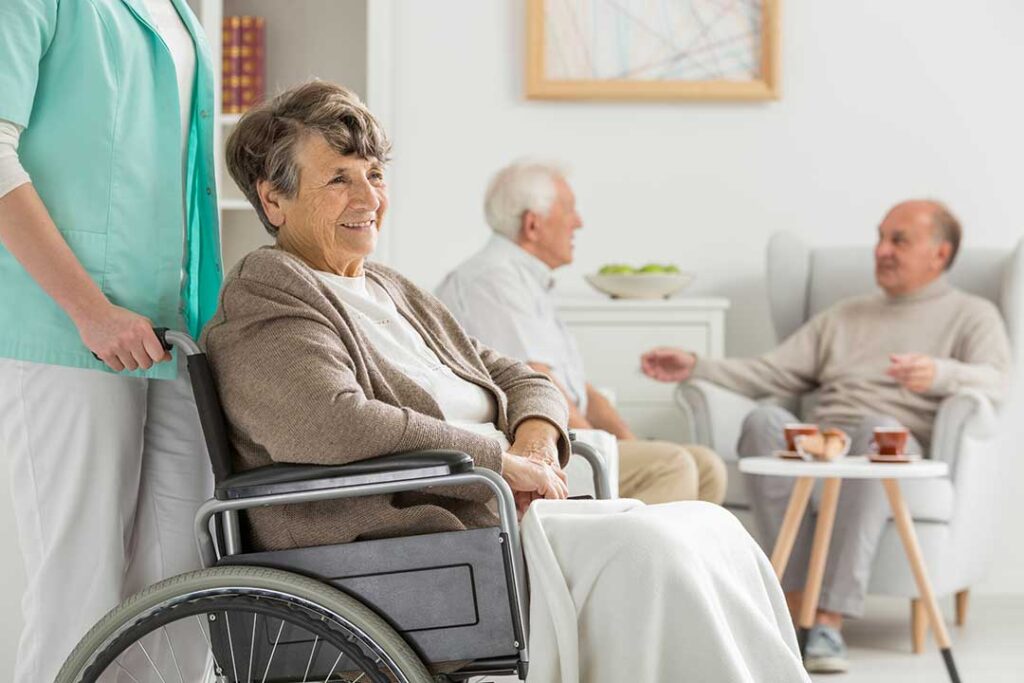
Why Do Seniors in California, PA Experience So Many Changes?
Older adults living in California, PA often face several life transitions, such as moving to assisted living, losing loved ones, health challenges, or significant shifts in their independence. These changes can feel overwhelming or even isolating, especially when they happen quickly. Understanding why change is especially challenging for seniors helps explain the importance of intentional support in the community.
As people age, routines and familiar surroundings become increasingly important for comfort and confidence. When established patterns get disrupted—whether by needing assistance at home, relocating, or changes in physical abilities—it can make life feel unpredictable. Given the region’s seasonal weather, housing styles, and community rhythms, these transitions may be compounded by practical factors, like winter accessibility or social networks concentrated within local neighborhoods.
What Reactions Are Normal for Seniors Facing Change?
It’s completely normal for older adults to have mixed emotions about change. Some common reactions include anxiety, sadness, frustration, or even relief, depending on the situation. In California, these feelings may be shaped by unique circumstances, such as weather influencing outdoor activities or difficulties adjusting from rural homes to more communal living spaces.
A few typical responses include:
- Worry about losing independence or control
- Feeling lonely, especially after a significant loss
- Frustration with new routines or unfamiliar caregivers
- Resistance to change stemming from fear of the unknown
Recognizing these emotions as part of the transition process helps family members, neighbors, and assisted living staff respond with empathy. Expecting adjustment to be gradual is vital; rushing adaptation can lead to more distress for seniors.
How Can Families and Friends Support Older Adults During Transitions?
Listening and steady encouragement make a real difference. If a loved one is adjusting to a big change—like moving to a new apartment, coping with decreased mobility, or losing a spouse—open and honest conversations can provide reassurance. In California’s close-knit neighborhoods, familiar faces and regular visits often serve as powerful comfort.
Practical ways to help include:
- Keeping communication regular but low-pressure
- Respecting personal preferences for involvement in decision-making
- Offering gentle reminders that mixed feelings are expected
- Including seniors in family traditions and seasonal events that remain familiar
Even something as simple as sharing memories of local community events, traditions, or daily routines can provide continuity.
What Can Seniors Do for Themselves to Cope Better?
Staying active and connected are two key strategies. Seniors adjusting to new circumstances—such as changes in mobility or living environment—can often benefit from:
- Participating in community or building events (like seasonal gatherings or craft groups)
- Taking short walks or gentle exercise indoors when Pennsylvania’s winters make outdoor activity difficult
- Keeping up with hobbies that offer purpose and satisfaction, such as gardening, reading, or music
- Using technology to connect with out-of-town friends or family, if comfortable

Local libraries, recreation rooms, and community message boards may offer information about virtual programs or social activities suitable for all mobility levels. Building new routines helps create a sense of stability, even in unfamiliar situations.
Are There Misconceptions About Aging and Change?
Yes—one common misconception in the California community is that resistance to change always means stubbornness. In most cases, reluctance is a natural part of loss or adjustment, not a personality trait. It’s also not true that all older adults struggle equally; some find freedom in downsizing or new social connections.
Another mistaken belief is that emotional reactions like sadness or anxiety are just unavoidable parts of aging. While these feelings are understandable in times of transition, persistent depression or withdrawal is not typical and should be addressed with care.
What Local Factors Influence Coping in California?
Several details can affect adjustment for seniors in California. The design of area homes, distances between neighborhoods, and the rhythm of seasonal life all influence how people cope. For example:
- Winter weather can limit travel and outdoor activities, making loneliness more likely if visits decrease
- Multi-story homes or steep driveways can affect ease of movement, influencing when seniors consider moving or modifying routines
- Close community ties mean neighbors often play a direct role in supporting adjustment
Emphasizing neighborhood support, familiar routines, and coordination among local organizations can help area seniors feel more secure when facing big changes.
When Should Seniors or Families Seek Outside Help?
Most adjustments get easier with time, empathy, and support from loved ones. However, if a person struggles for weeks or months without improvement, or shows ongoing signs of depression, confusion, or social withdrawal, further support may be appropriate. This type of concern can sometimes be addressed by speaking to a primary care provider or seeking out counseling through local community programs.
Being proactive about emotional well-being is a healthy step; it signals care for the senior’s overall quality of life, not just physical health. Families and the wider community working together can ensure that no one feels alone or lost during transitions, no matter the season or circumstance.
